
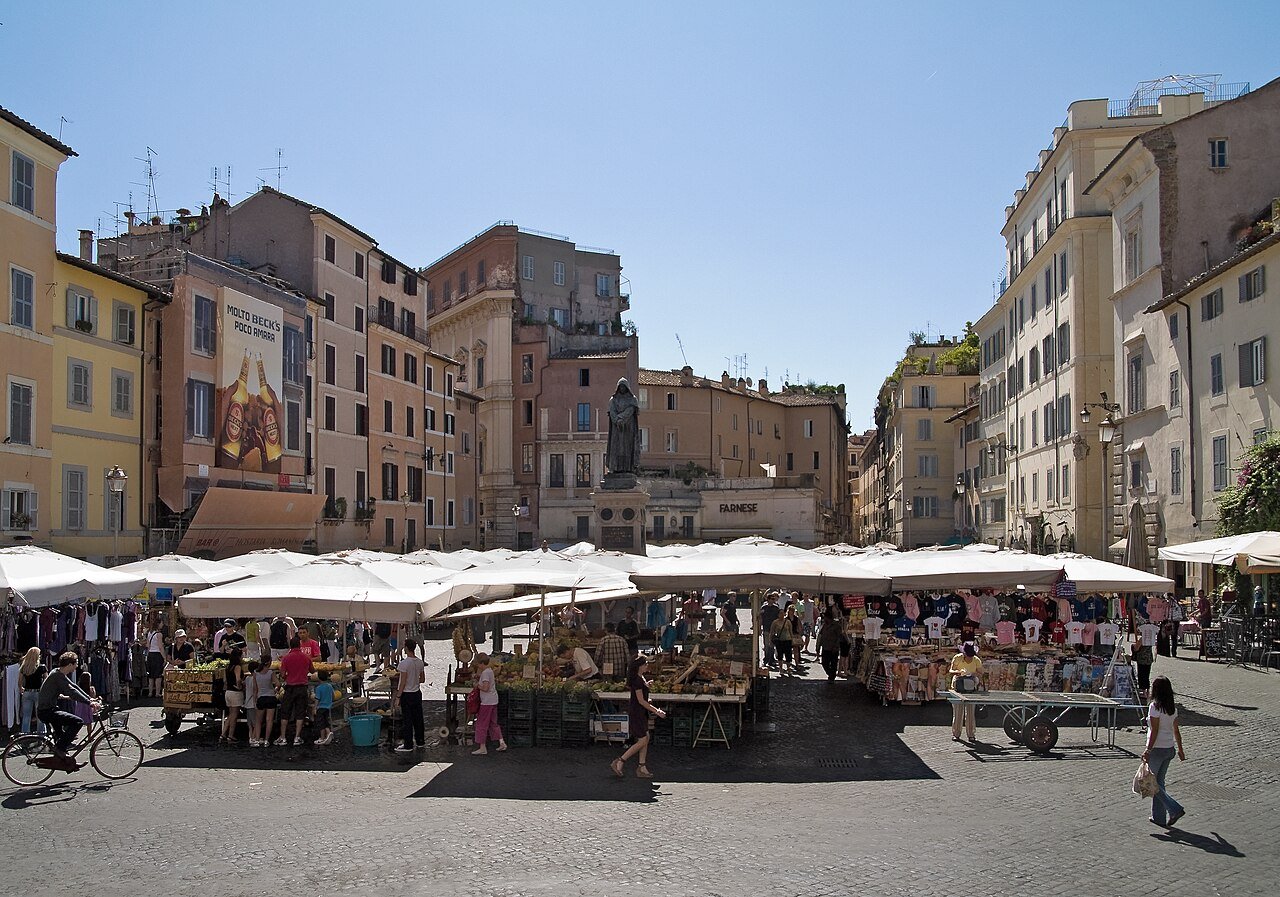
Rome150 min
Flavours of Rome
Pizza, supplì and old-town traditions, from Campo de’ Fiori to Sant’Eustachio.
Food & drinkWalking tour
On request
An audio journey through Rome’s archaeological heart, from the amphitheater to the Capitoline
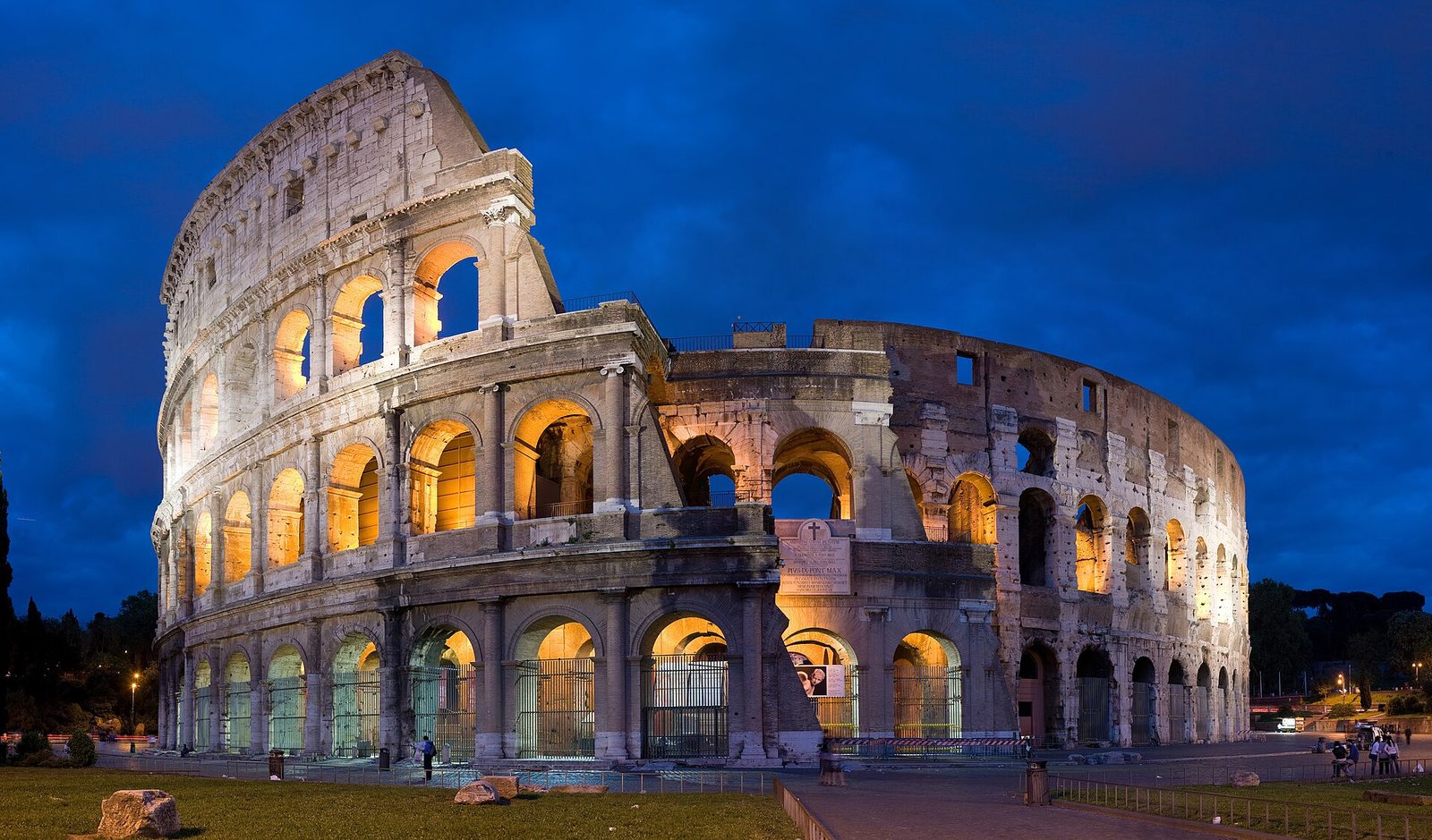
An audio journey through Rome’s archaeological heart, from the amphitheater to the Capitoline
Begun under Vespasian and inaugurated by Titus in 80 CE, the Colosseum rose over Emperor Nero’s drained private lake as a civic landmark. Its travertine arcades in three classical orders and numbered passages sorted tens of thousands of spectators by social rank.
Beneath the sand-covered wooden floor (harena), Emperor Domitian later built the two-level stone corridors of the hypogeum. Capstans, trapdoors, and counterweighted lifts raised scenery, beasts, and fighters upward while trained gladiators fought refereed bouts above.
Dedicated by the Senate in 315 CE to celebrate Constantine’s victory over Maxentius at the Milvian Bridge (312 CE), this arch anchors the ceremonial route between the Colosseum and Forum. It combines fourth-century friezes with reused sculptures (spolia) from monuments of Trajan, Hadrian, and Marcus Aurelius.
Linked by Roman tradition to Romulus’s foundation—and confirmed by archaeology as an Iron Age settlement—the Palatine became the imperial seat under Augustus. Its towering brick vaults and panoramic terraces bridged the Forum and Circus Maximus, giving us the word “palace.”
Spread between the Palatine and Capitoline hills, the Roman Forum gathered law courts, assemblies, the Senate house (Curia), and major temples. Crossed by the Via Sacra—route of sacred processions and triumphal parades—the valley evolved layer by layer across centuries.
In antiquity, the Capitoline housed the Temple of Jupiter Capitolinus overlooking the Forum. In the sixteenth century, Michelangelo redesigned the square with trapezoidal symmetry, Renaissance palaces, a star-patterned pavement, and the equestrian statue of Marcus Aurelius (now an outdoor replica shielding the bronze original inside the Capitoline Museums).
Colosseo Metro Station (Line B) · Piazzale del Colosseo
Rota autoguiada a pé. Consulte as condições locais e respeite os acessos de cada atração.
Tour autoguiado. Não inclui guia presencial.
Pizza, supplì and old-town traditions, from Campo de’ Fiori to Sant’Eustachio.
On request
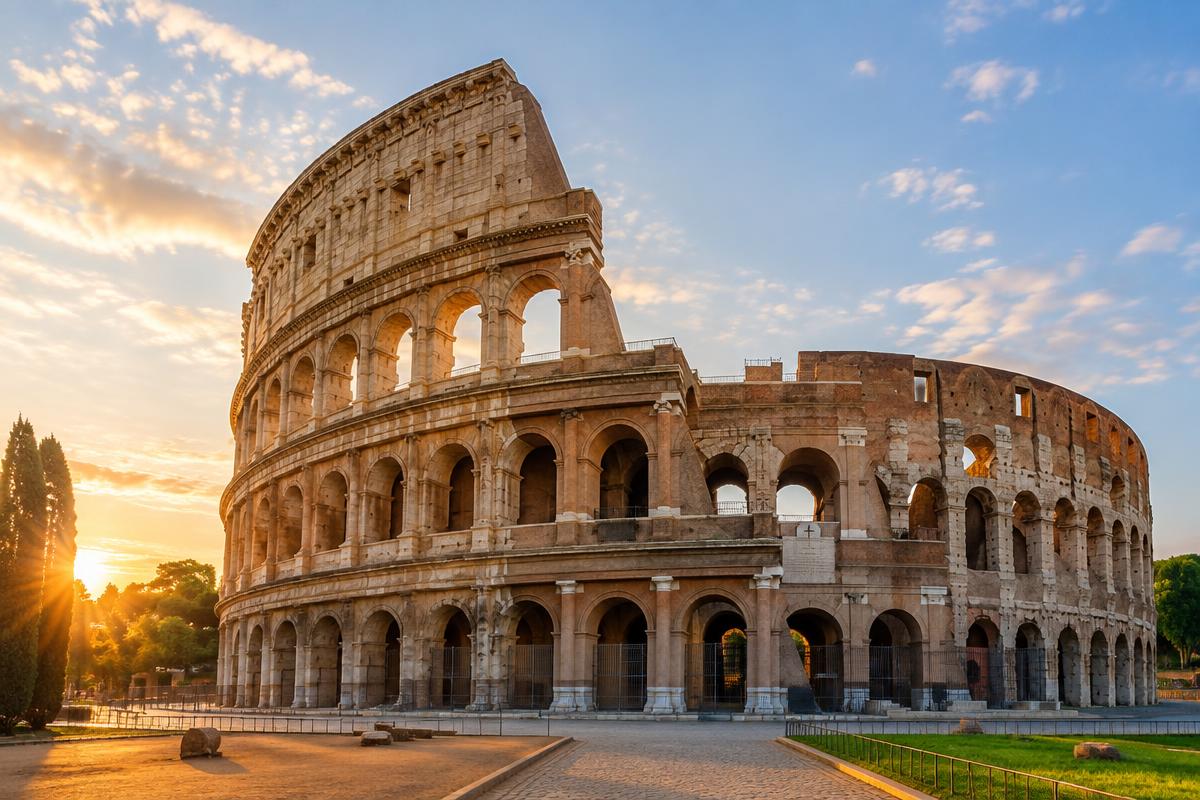 Bestseller
Walk the arena corridors, the Forum and the imperial palaces with a small group and a licensed guide.
from €69.00 per person
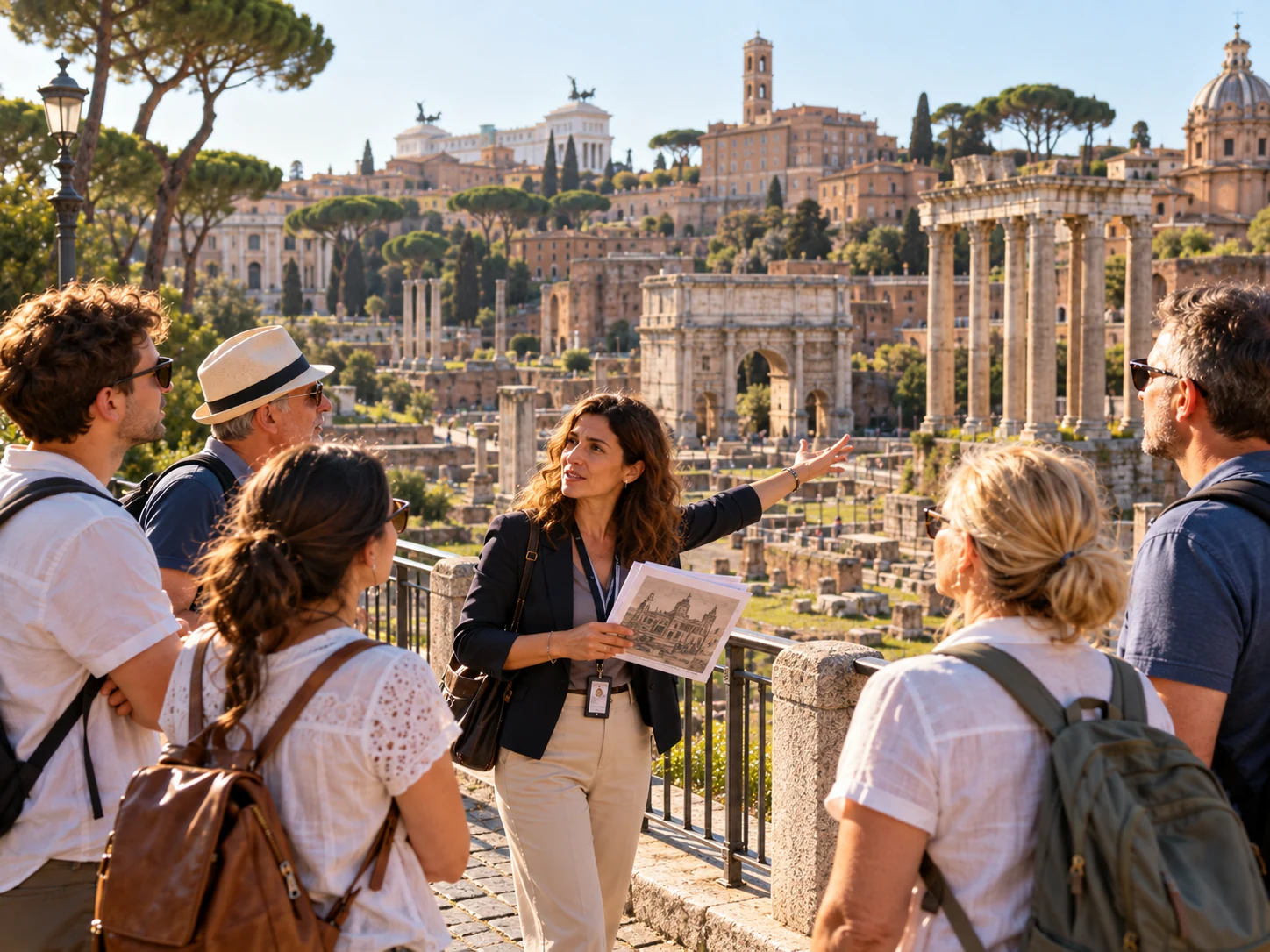 New tour
Explore the Imperial Fora with a guide, spend around 90 minutes in the Capitoline Museums and finish at the Vittoriano with views over Rome. Small group of up to 6.
from €149.00 per person